Get Credentialed as a Nursing Assistant With Expert CNA Development
Becoming a Certified Nursing professional guide Assistant (CNA) delivers considerable advantages in the medical field. With professional training, practitioners acquire essential skills and knowledge needed for superior patient care. The growing demand for CNAs guarantees job stability and feasible career development. Recognizing the training process and certification requirements is vital. What factors should prospective CNAs assess as they embark on this path? Delving into this can brighten the journey ahead.
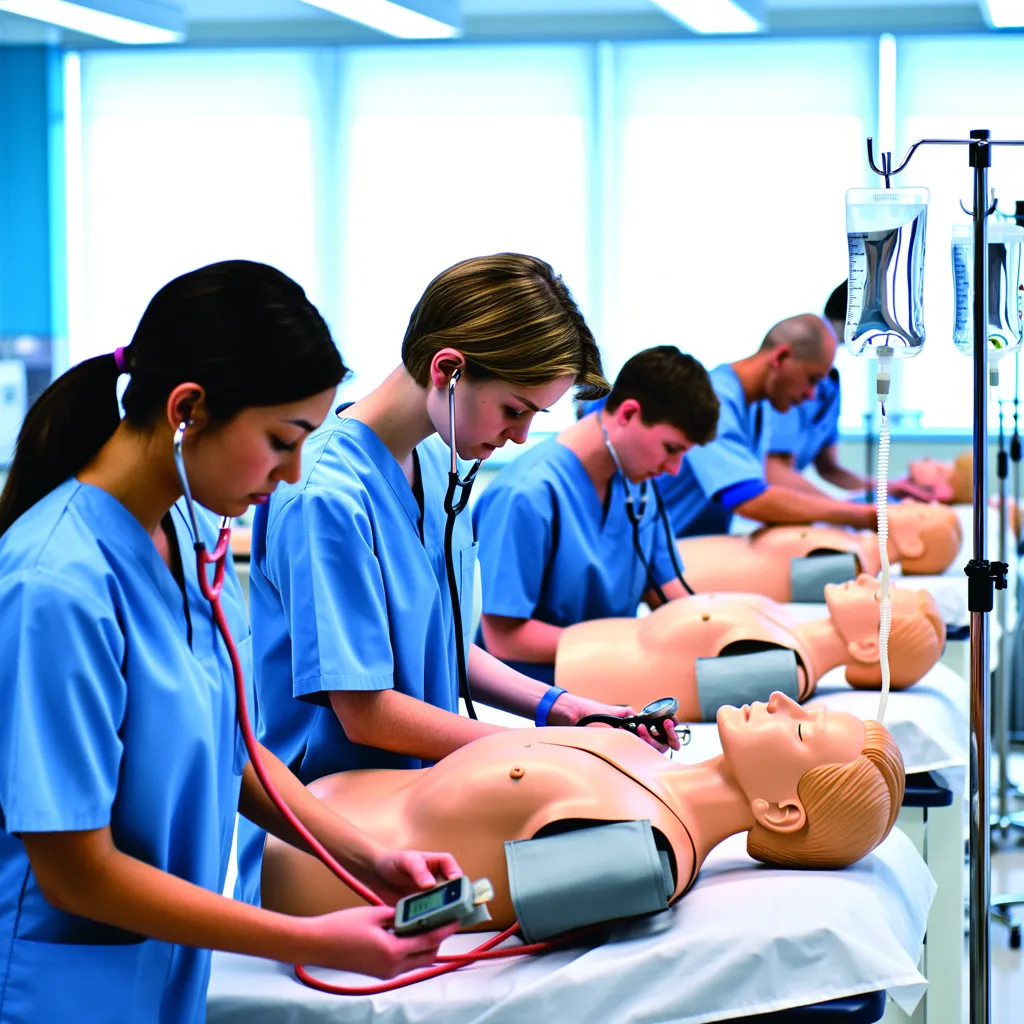
Top Reasons to Become a CNA
Obtaining a Certified Nursing Assistant certification offers numerous advantages that appeal to individuals interested in a meaningful vocation in healthcare. One vital benefit is the opportunity for personal patient care, giving CNAs to make a meaningful impact patients' health outcomes. The demand for Certified Nursing Assistants remains strong, providing work security and plentiful employment opportunities across various venues, including hospitals, nursing homes, and home health care.
Additionally, the education required to enter as a CNA is fairly minimal, enabling people to join the employment market promptly. This ease makes the profession an attractive selection for those wanting to start a profession in healthcare without extensive schooling. CNAs also have the capacity to advance in their professional paths in the medical field, creating opportunities for further schooling and licenses. All in all, the blend of job stability, self-fulfillment, and career growth opportunities establishes entering as a CNA a compelling option for many aspiring healthcare workers.
Fundamental Skills You'll Master in CNA Coursework
CNA training provides individuals with an fundamental skill set necessary for delivering quality patient care. One of the primary skills acquired is effective communication, allowing CNAs to engage with compassion with patients and their families. Additionally, students learn critical observation methods, enabling them to evaluate vital indicators and communicate updates to nursing staff accurately.
Personal care abilities, such as washing, attiring, and feeding patients, are core elements of the training, ensuring that CNAs can help patients with routine tasks. Infection control methods also make up a significant part of the curriculum, emphasizing sanitation and protective measures necessary to hinder the spread of illness.
Additionally, CNAs obtain competencies in essential clinical skills, such as supporting patient mobility and employing medical equipment. In general, the training incorporates a well-rounded approach to patient care, preparing individuals to fulfill the wide-ranging requirements of those they serve competently.
Understanding the CNA Training Process and Certification
Aspiring nursing assistants must recognize that the CNA certification process involves multiple critical areas, covering a foundational look at training mandates, effective tactics for exam preparation, and potential opportunities for employment. Acknowledging these points proves essential for would-be care professionals as they work toward their path to certification. All feature plays a role in facilitating a successful entry into the nursing field.
CNA Education Requirements Overview
While hopeful healthcare workers may feel stressed by the certification journey, understanding the training requirements for Certified Nursing Assistants (CNAs) is crucial. To become a CNA, individuals must complete a state-approved training program, which typically includes both classroom instruction and hands-on clinical experience. Most programs require a minimum of 75 hours of training, although some states may mandate additional hours. Candidates must also pass a security check to ensure safety within healthcare settings. Upon completion, they are eligible to take the certification exam. Additionally, some states may have specific requirements, such as age limits or high school diploma proof. Familiarity with these requirements can help simplify the path to becoming a qualified professional in the nursing field.
Useful Recommendations for Training for Your Certification Exam
Successfully finishing a state-approved education course represents a substantial milestone for prospective CNAs, yet the process continues there. Preparing for the licensing test requires a concentrated approach. Candidates should review the content covered during their instruction, emphasizing key areas such as client support, security procedures, and infection control. Utilizing practice exams can help acquaint them with the test structure and query styles. Additionally, forming learning teams can foster group education, enabling candidates to explain concerns and reinforce knowledge. Schedule planning is critical; setting a learning timetable ensures thorough coverage of all subjects. Finally, maintaining a positive mindset and practicing relaxation techniques can alleviate exam-related anxiety, improving overall performance on test day.
Work Placement Opportunities Available
Finishing CNA training creates a range of career prospects, as numerous healthcare facilities actively look for certified nursing assistants to fulfill their staffing requirements. Hospitals, nursing homes, and assisted living facilities are among the major hiring organizations, often providing variable shifts to accommodate various schedules. Additionally, CNAs may discover opportunities in rehabilitation centers, home healthcare agencies, and outpatient clinics. With the rising demand for healthcare services, job security for CNAs remains stable. Many training programs also deliver job placement assistance, linking graduates with potential employers. Networking within the healthcare community and utilizing online job boards further strengthen employment prospects, making the shift from training to the workforce smoother for newly certified nursing assistants.
Important Strengths of CNA Certification
Earning CNA certification yields substantial rewards that boost both occupational prospects and self-enhancement. Fundamentally, it provides individuals with core competencies and knowledge required to deliver excellent patient care. This training instills assurance and mastery in diverse healthcare contexts, which can greatly enhance job performance.
Additionally, credentials often lead to greater job security, as many employers demand certified candidates. This credential not only widens the scope of potential employment but also increases earning potential. Furthermore, CNAs gain valuable experience that can serve as a stepping stone for advanced positions in the healthcare field, such as nursing.
At a individual level, the credentialing procedure promotes empathy and communication skills, vital traits for effective patient engagement. Ultimately, becoming a certified nursing assistant equips individuals with a solid foundation for a gratifying career in healthcare, while fostering a sense of fulfillment through assisting others.
CNA Employment Prospects
CNA job opportunities are copious and span a varied range of work environments, including hospitals, nursing homes, and home health care. This diversity of possibilities not only affords variability in work environments but also generates channels for professional progression. As CNAs gain experience, they may contemplate advanced education and specialization, enhancing their professional growth.
Diverse Employment Settings
A Certified Nursing Assistant can pursue positions in a variety of settings, each offering novel challenges and challenges. These environments feature hospitals, nursing homes, assisted living facilities, and home healthcare services. In hospitals, CNAs usually serve alongside a multidisciplinary team, giving direct patient care and support services during recovery. Nursing homes and assisted living facilities expect CNAs to foster relationships with residents, emphasizing long-term care and emotional support. Home healthcare gives CNAs to furnish personalized care in a familiar environment, often nurturing profound relationships with clients and their families. Each location displays distinct tasks, highlighting the adaptability and comprehensive skill set required for effective patient care in the nursing profession.
Job Progression Paths
Exploring professional growth paths can reveal many opportunities for Certified Nursing Assistants. With basic skills and experience, CNAs can shift into roles such as Licensed Practical Nurse (LPN) or Registered Nurse (RN) through additional education and training. Many facilities offer tuition reimbursement, incentivizing further studies. Additionally, CNAs may pursue specialized certifications in areas such as geriatrics, pediatrics, or mental health, enhancing their job prospects and expertise. Management roles, such as CNA supervisor or nursing home administrator, also become accessible, allowing for positions of leadership. Networking within healthcare environments can open doors to these advancements. Ultimately, with dedication and continued learning, CNAs can greatly elevate their careers and contribute more profoundly to patient care.
Strategies to Effectively Ace the CNA Certification Exam
Completing the CNA certification exam successfully requires strategic preparation and a solid understanding of the material. Aspiring CNAs should start by studying the exam content outline provided by their state's regulatory body, concentrating on critical areas like healthcare delivery, safety, and verbal and written communication. Taking practice exams is vital, as they orient applicants with the exam format and question types.
Study groups can enhance learning by enabling candidates to debate complex concepts and communicate insights. Time management during the exam is crucial; candidates should practice controlling their pace to guarantee they address all questions.
Furthermore, hands-on experience in a clinical environment is vital. Applicants should pursue chances to display proficiency in fundamental skills like recording vital signs and helping with daily living activities. In summary, thorough preparation and regular practice greatly enhance the likelihood of succeeding in the CNA certification test.
Often Asked Questions
What Is the Typical Compensation for a Certified Nursing Assistant?
A standard salary for a CNA generally ranges from $25,000 to $35,000 per year, subject to variables like experience, location, and the specific healthcare institution where they are employed.
Is it feasible to work as a CNA Minus Credentials?
No, individuals cannot work as a Certified Nursing Assistant (CNA) without certification. Most states require formal training and successful completion of a licensing test to ensure critical abilities and understanding for healthcare delivery.
What is the typical duration of CNA coursework?
CNA education generally takes four to twelve weeks, differing based on the curriculum and state regulations. This duration combines both theoretical learning and hands-on clinical experience to ensure sufficient preparation for the licensing exam.
Do Age Requirements Exist When Working as a CNA?
Age standards are usually not stringent for becoming a Certified Nursing Assistant. However, most professional institutions require candidates to be at least 18 years old, though some could allow younger individuals with guardian permission.
What Constitute the Continuing Education Obligations for CNAS?
Continuous professional requirements for CNAs typically involve fulfilling a particular number of sessions in education or seminars every two years. This verifies they continue to be knowledgeable about best practices and keep their certification.