Understanding Family Relationships: How DNA Tests for Siblings in Uncovering Relationships
Sibling DNA testing has emerged as valuable tools for understanding familial relationships. Such tests are capable of confirming parentage and bringing to light connections that remained hidden. Even as these tests shed light on biological connections, they present emotional intricacies that families are required to address. The consequences of these findings can be significant, raising questions about one's sense of self and place within a family. What occurs when the outcomes call into question beliefs about family that have been held for generations? The responses to these questions can alter relationships in surprising and unforeseen manners.
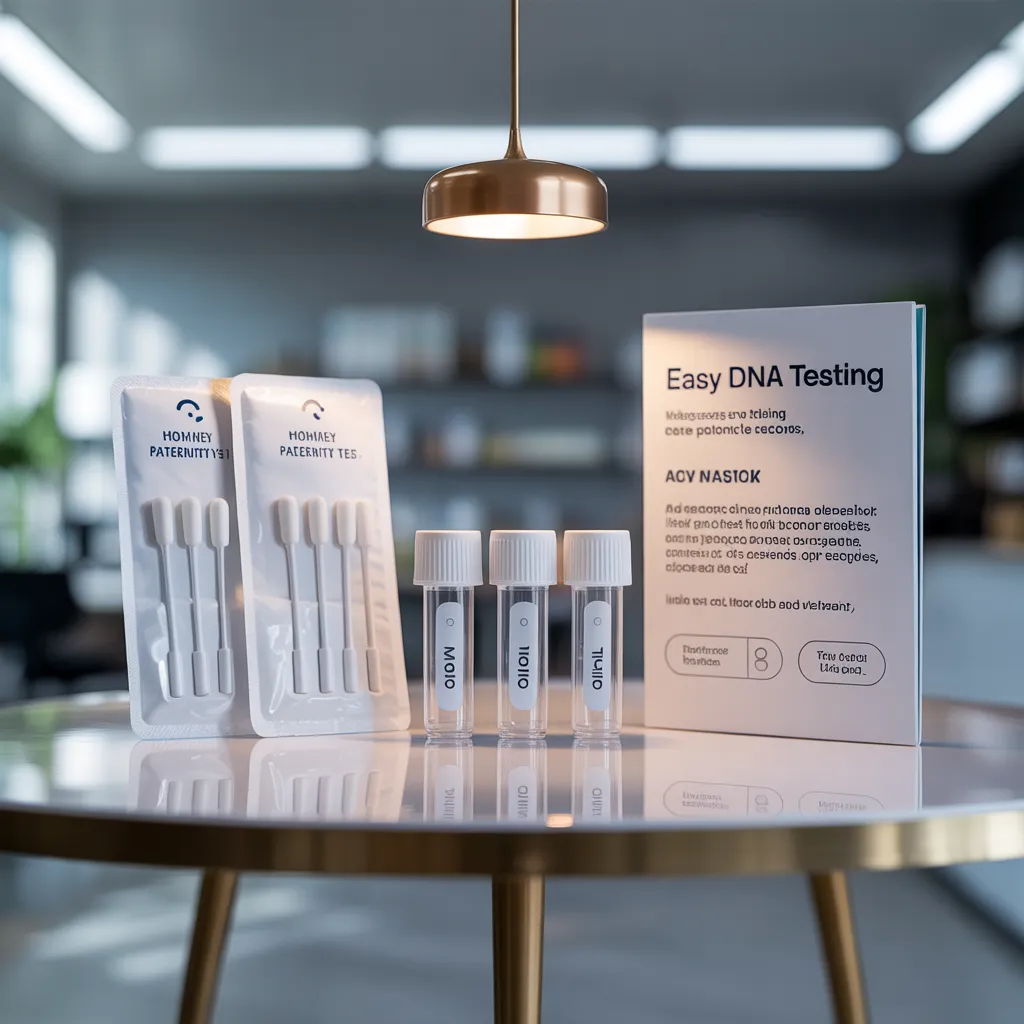
What You Need to Know About Sibling DNA Tests and Their Significance
Sibling DNA analyses serve as an invaluable resource for discovering familial bonds among siblings. These tests analyze genetic markers that individuals share to determine the likelihood of them being full siblings, half-siblings, or completely unrelated. By examining genetic sequences, individuals can obtain a deeper understanding of their genetic connections, which is often especially important for people navigating complicated familial histories or doubts about their biological origins.
Recognizing these connections can significantly influence family dynamics, delivering insight in situations where familial ties remain uncertain or disputed. Sibling DNA tests can also cultivate a sense of connection and purpose, especially for individuals seeking to understand their heritage. Additionally, the results can affect emotional bonds, helping siblings navigate feelings of connection or disconnection. As the significance of genetic information increases in society, these tests prove indispensable for fostering clarity and harmony within family structures.
How DNA Testing Exposes Hidden Family Connections
How does DNA testing help discover connections that remained unknown before? DNA testing serves as a powerful resource for discovering familial bonds that may not be visible through standard methods. By evaluating genetic markers, individuals are able to detect biological ties with half-siblings, previously unknown relatives, or even far-removed cousins. This process can clarify complex family histories, especially in cases of adoption or when family structures are non-traditional.
The outcomes can offer new insights about mutual heritage, genetic attributes, and health inclinations. For numerous individuals, this newly acquired information can transform their perception of familial relationships and heritage. Additionally, DNA testing may expose unforeseen family bonds, motivating individuals to examine relationships that had been disregarded before. In the end, the discoveries from genetic testing can significantly improve one's comprehension of their family tree, fostering a deeper appreciation for the intricate web of relationships that define personal identity.
Psychological Impact of Sibling DNA Testing on Family Dynamics
Sibling DNA tests can significantly affect family dynamics by revealing unforeseen ties that challenge honesty and openness. These discoveries often lead to intricate psychological reactions, as people struggle with their identities and familial bonds. Comprehending these emotional consequences is essential for navigating the results of such tests and maintaining healthy relationships.
Trust and Openness Challenges
Concerns about trust and transparency often emerge among family members when sibling DNA tests are introduced. Undergoing such testing can reveal concealed family secrets, causing feelings of betrayal among brothers and sisters who once believed they maintained a simple and clear relationship. Such revelations can lead to questions about parental honesty and the reliability of family accounts. When outcomes deviate from what was expected, the emotional fallout can strain bonds, as family members struggle with insecurity and uncertainty. Furthermore, the perceived need for a DNA test can signal underlying trust deficits, indicating that relatives may feel unable to speak candidly about their relationships. Consequently, these assessments can unintentionally erode the groundwork of familial trust, further complicating sensitive family dynamics.
Managing Emotional Responses
When unforeseen results from sibling DNA tests come to light, the emotional dynamics within families can change significantly. Discoveries about biological relationships can trigger feelings of betrayal, confusion, or anger among siblings. Some may grapple with questions about their identity or the authenticity of their relationships, while others might experience a sense of relief or validation. Handling these emotions necessitates open communication and empathy, as siblings address their reactions together. It is vital for family members to create space for individual feelings without judgment, cultivating an environment where healing and understanding can develop. At the end of the day, the influence of these tests can either test or fortify family bonds, depending on the strategy adopted in addressing the emotional aftermath.
Using DNA Insights to Foster Better Communication Among Siblings
Grasping the biological relationships among siblings can improve their interactions, particularly when disagreements emerge. By utilizing information from DNA analysis, siblings can achieve a better perspective on their genetic links, which may illuminate underlying reasons for various tendencies or disagreements. This knowledge promotes compassion, as siblings recognize that genetic variations can influence personality traits and inclinations.
When disagreements arise, turning to genetic understanding can act as a common basis for conversation. Rather than blaming conflicts entirely on personal distinctions, siblings may recognize that their distinct traits are rooted in their genetic makeup. This understanding can encourage a more meaningful exchange, supporting transparent sharing of thoughts and lived experiences.
At its core, harnessing DNA insights inspires siblings to navigate their relationships with curiosity rather than criticism. By developing a richer comprehension of each other's genetic makeup, siblings can establish a more nurturing environment that sustains their relationship, even through obstacles.
True Accounts: How DNA Testing Transformed Family Relationships
The dynamics between siblings can be significantly shaped by the revelations brought forth through DNA testing. In one remarkable instance, two brothers who had grown up separately discovered through a DNA test that they were connected through a common biological father, leading to a heartfelt reunion. Their newfound connection enabled them to exchange memories and personal stories, enriching their relationship.
In one such case, a female found out that her half-sibling, whom she believed to be a cousin, was actually a sibling. This finding prompted both to jointly explore their shared family history, fostering a feeling of belonging and mutual understanding that was previously missing.
Alternatively, DNA examination sometimes brings to light unexpected findings, as in the situation of a individual who came to realize he was genetically unrelated to his brothers and sisters. Although the revelation was startling at first, this discovery in the end gave rise to honest dialogues and a deepened regard for the personal connections that characterize one's sense of family, beyond genetic factors.
Moral Aspects of Sibling DNA Testing
As genetic testing continues to advance and provide insights into family relationships, they also raise significant ethical considerations. Sibling DNA analysis may bring to light unanticipated family relationships, which can potentially alter family dynamics and lead to emotional turmoil. Choosing to pursue such testing frequently requires agreement from several individuals, which brings forth critical concerns about individual autonomy and entitlement to genetic knowledge. Additionally, the implications of discovering non-paternity or half-sibling relationships can lead to feelings of betrayal and insecurity among family members.
Privacy challenges also surface, as genetic information is sensitive and may be misused if not adequately safeguarded. The risk of discrimination based on genetic tendencies further complicates the ethical landscape. As a result, it is essential for those thinking about sibling DNA tests to carefully consider the emotional and ethical implications, ensuring that they approach the process with complete understanding of its potential outcomes for themselves and their families.
Upcoming Developments in DNA and Family Relationships
In what ways will the evolving nature of genetic analysis alter familial bonds in the foreseeable future? As scientific advancements unfold, the accessibility and affordability of DNA tests are projected to improve, permitting more family units to examine their hereditary bonds. This surge in testing might bring about a clearer picture of hereditary connections, discovering undiscovered familial links and disrupting long-held ideas of kinship.
Furthermore, the emergence of direct-to-consumer genetic testing may foster a culture of transparency regarding family histories and origins. As increasing numbers of people engage with their genetic profiles, conversations about genealogy, cultural background, and family dynamics will become commonplace.
That said, this explore the details phenomenon also brings up concerns about consent and privacy, as households navigate the nuances of exchanging genetic data. In the end, the evolving landscape of DNA testing may foster both deeper connections and new challenges, as households adapt to the discoveries and revelations that emerge from their inherited genetic histories.
Common Questions and Answers
How Reliable Are Sibling DNA Tests for Identifying Relationships?
Sibling DNA testing is typically reliable, delivering a considerable chance of establishing relationship confirmation. That said, findings can fluctuate according to shared genetic markers, with further background often needed to gain a complete understanding of biological ties.
Do Sibling DNA Tests Have the Ability to Identify Non-Biological Connections?
Sibling genetic tests primarily reveal biological ties; yet, they can subtly indicate non-biological relationships by identifying shared genetic markers. Such findings may encourage people to investigate family connections beyond traditional definitions of kinship.
What Age Is Appropriate for Taking a Sibling DNA Test?
The suitable age for undergoing a sibling DNA analysis is commonly considered to begin at 18, as those who have reached adulthood are equipped to make knowledgeable decisions. Minors will typically need parental consent and guidance for understanding results.
What Is the Difference Between Half-Siblings and Full Siblings in Sibling DNA Testing?
DNA tests for siblings differentiate between half and full siblings by examining common genetic markers. Full siblings share roughly 50% of their DNA, while siblings who are half-siblings share roughly 25%, offering clear distinctions in family relationships.
Are There Privacy Issues Associated With Sharing DNA Test Results?
Privacy issues emerge with sharing genetic test results, as individuals may inadvertently expose confidential details about their genomic heritage. This can affect not only the tested individual but also their biological relations, giving rise to likely familial discord.