The Growth of At-Home Paternity Testing: Precision, Confidentiality, and Ease
The increasing prevalence of home paternity tests represents a considerable shift in how families navigate parentage verification. With reliability rates often exceeding 99%, these tests offer a accessible method for DNA sample collection. However, persistent privacy concerns about genetic data remain prevalent. As an increasing number of individuals consider this form of testing, they must carefully assess the consequences of accuracy, privacy, and emotional consequences. What elements should they focus on in their decision-making process?
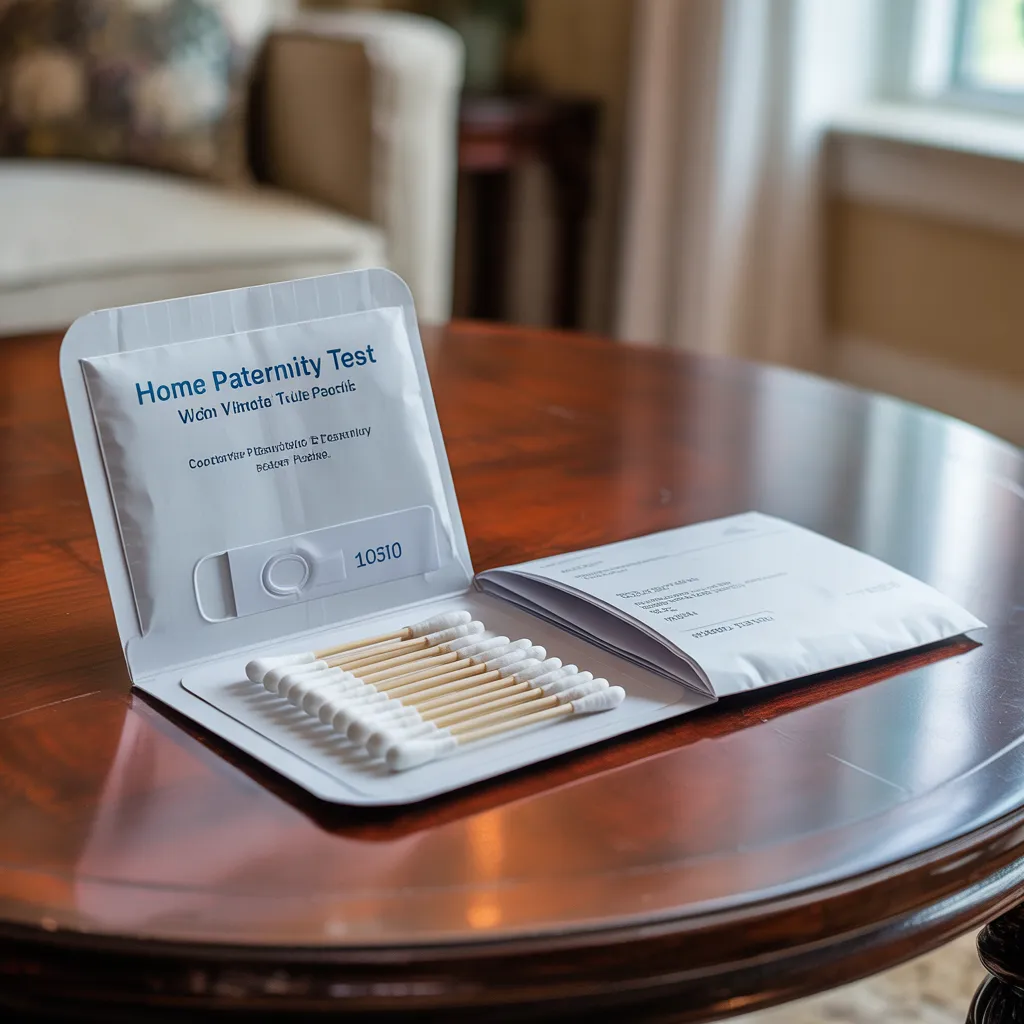
How Do Home Paternity Testing Kits Work?
Residential paternity tests commonly work by means of an uncomplicated method involving the collection of DNA samples. Individuals receive a testing kit equipped with swabs intended for cheek cell collection, typically from the potential father and child. Individuals are directed to carefully swab the interior of their cheeks so as to obtain enough DNA for testing. Once the specimens have been gathered, the swabs are secured in provided containers and then forwarded to a testing facility for evaluation.
In the lab, the DNA is isolated and studied to pinpoint particular genetic indicators. This evaluation matches the DNA samples of the child and the alleged father to confirm paternal relationship. Results are usually available within a few days, and the method is crafted to be user-friendly, guaranteeing little inconvenience. The ease of at-home testing resonates with many people, enabling people to find results in the privacy of their own environment. This process underscores the examination's increasing recognition as a dependable choice for paternity verification.
What Is the Accuracy of Home Paternity Tests?
What level of accuracy do home paternity tests provide in establishing biological relationships? Typically, these tests are designed to provide a high degree of accuracy, frequently surpassing 99% when performed properly. They analyze DNA samples from the alleged father, child, and sometimes the mother, comparing genetic markers to establish a relationship. However, the accuracy can be influenced by factors such as sample contamination or improper handling.
The majority of home tests employ sophisticated methods similar to those used in certified facilities, yet they may fall short of the stringent oversight linked to professional testing. In addition, results can differ between various brands and products, learn more underscoring the importance of selecting a reputable provider. While home paternity tests can deliver a clear suggestion of genetic connections, individuals should proceed carefully, recognizing that serious legal and personal consequences may stem from the findings. Ultimately, for complete confidence, working with a professional testing facility is advisable.
What Are the Main Privacy Issues to Consider?
Although home paternity tests provide an accessible means of determining familial biological ties, they simultaneously present notable concerns regarding privacy. The collection and handling of genetic material, often in the form of cheek swabs or saliva samples, has the potential to cause improper access or misappropriation. Many companies do not guarantee the privacy of provided specimens, exposing individuals to the risk of privacy violations.
In addition, the findings may be disclosed to third parties without explicit consent, heightening fears of discrimination or discrimination. Users may also be not fully aware of how their genetic data will be retained or potentially utilized for research purposes.
In addition, the psychological ramifications associated with unexpected results can add complexity to the domain of data privacy. Overall, while these assessments deliver simplicity and widespread availability, the shortage of robust regulatory frameworks and clarity in data management practices raises serious questions about the privacy rights of individuals and control over their own genetic information.
How Do Test Results Affect Emotions?
The psychological impact from paternity test results can be deep and wide-ranging. People may experience a whirlwind of reactions, ranging from joy and comfort to anger and betrayal. For some, a positive match can validate longstanding assumptions, fostering a sense of connection and security. In contrast, a negative result may lead to emotions of uncertainty, bewilderment, and grief, particularly if a familial bond is challenged.
Such feelings may reach beyond the person affected to influence family relationships. Parents could wrestle with guilt or fear regarding the impact on their kids, while siblings could encounter shifts in their perceptions of family dynamics. Moreover, societal stigma may intensify these emotions, as individuals cope with societal norms around parentage. Ultimately, the psychological impact of paternity testing outcomes differs considerably, highlighting the complex interplay between personal identity, trust, and mental health.
Important Factors to Consider When Choosing a Home Paternity Test
Navigating the emotional journey following paternity test results frequently causes people to contemplate their next steps carefully, particularly when selecting a home paternity test. Several key factors warrant consideration to secure a reliable and satisfactory outcome.
Initially, exactness is critical; individuals should seek tests with high sensitivity and specificity rates. Next, simplicity of use is fundamental; a clear and direct collection method can minimize stress. Confidentiality represents another major consideration; reputable companies should guarantee secure handling of personal data and results.
Cost is also a factor; potential users should weigh the price against the test's credibility and support services. Lastly, client feedback and testimonials offer valuable perspectives from previous users, helping individuals work through the various alternatives. Through careful assessment of these elements, individuals can make informed choices that align with their needs and expectations.
Common Questions and Answers
Can Home Paternity Tests Be Used as Legal Evidence in Court?
DIY paternity tests are commonly inadmissible in court owing to reliability issues and a lack of consistent testing protocols. Courts generally mandate tests conducted by accredited laboratories to be considered credible legal proof in paternity proceedings.
How Long Do Home Paternity Test Results Take?
Home paternity testing results usually take between three to five days to process. A number of companies provide accelerated processing services, cutting down the waiting period to approximately 24 hours, subject to the specific method of testing chosen.
Can I Take the Test Again if I'm Unclear About My Results?
Indeed, users can take the test again if not confident in the outcome. It is best to allow some time to pass before retesting to ensure precise outcomes. Speaking with an expert can also offer insight into the most appropriate course of action.
What Samples Do You Need for Home Paternity Tests?
Home paternity tests generally need cheek swabs from the child and the alleged father, although certain kits can also accommodate samples taken from blood. Proper collection and handling of these samples are essential for accurate results.
Are There Age Restrictions for Testing Children?
Generally speaking, there are no strict age restrictions for conducting home paternity tests on children. That said, acquiring approval from a legal guardian is usually mandatory, guaranteeing that the child's rights and personal privacy are honored throughout the procedure.